
Hydrogen inhalation therapy has become increasingly visible across wellness centers, recovery clinics, sports facilities, and medical spas. Marketed as a supportive therapy for recovery and overall well-being, it is often positioned alongside other premium wellness services. For many people, however, the cost structure can be unclear at first glance.
This article explains how hydrogen inhalation therapy is priced, what factors influence session and package costs, and how to assess whether the expense reflects meaningful value rather than just marketing appeal.
What Is Hydrogen Inhalation Therapy?
Hydrogen inhalation therapy involves breathing molecular hydrogen (H₂) gas through a nasal cannula or mask for a set period, typically 30 to 60 minutes. H₂ is promoted for its antioxidant and anti-inflammatory properties, based on research suggesting it may selectively neutralize certain free radicals. While it is not a medical treatment for disease, it is commonly used as a wellness or recovery-support intervention.
The therapy is offered in a range of settings, including wellness clinics, athletic recovery centers, medical spas, and integrative health practices. It is also available through personal, at-home devices designed for regular use outside of a clinical environment.
How Much Do Individual Hydrogen Therapy Sessions Cost?
The cost of a single H₂ inhalation session typically ranges from $40 to $85 USD for a 30- to 60-minute session at many wellness centers. Pricing varies based on the facility, the quality of the equipment used, and the overall experience provided.
Several factors influence session pricing. Session length is a primary driver, with longer sessions generally costing more. The flow rate and output capacity also affect cost, as higher-performance systems require greater investment and maintenance. The setting also plays a role. Sessions offered in wellness or recovery-focused environments often reflect additional considerations, such as trained staff, private spaces, and calming atmospheres designed to support relaxation.
The hydrogen inhalation therapy services in Sarasota that we provide at Quantum Wellness Center are offered in a convenient, serene setting that allows clients to step away from daily stressors. With each session, individuals are given time to reset, recharge, and support the body’s movement toward lasting balance. Some providers also bundle this therapy with complementary services, which may increase the session price while adding convenience and broader wellness support.
Common Package Options and Savings
Most providers offer multi-session packages or memberships rather than relying solely on single-session pricing. Common options include bundles of five, ten, or twenty sessions, as well as monthly plans that allow a set number of visits or unlimited use.
These packages typically reduce the per-session cost, sometimes by 15 to 40 percent compared to single visits. Clinics structure pricing this way to encourage consistency, since H₂ therapy is often promoted as most effective when used regularly. From a business standpoint, packages also provide predictable revenue and help clinics offset the high upfront cost of equipment.
What Drives Pricing Behind the Scenes?
One of the largest cost drivers is the equipment itself. Entry-level or portable units used in home settings often cost in the low thousands of dollars. At the same time, clinical-grade systems can range from approximately $7,000 to well over $20,000 USD, depending on specifications and certifications.
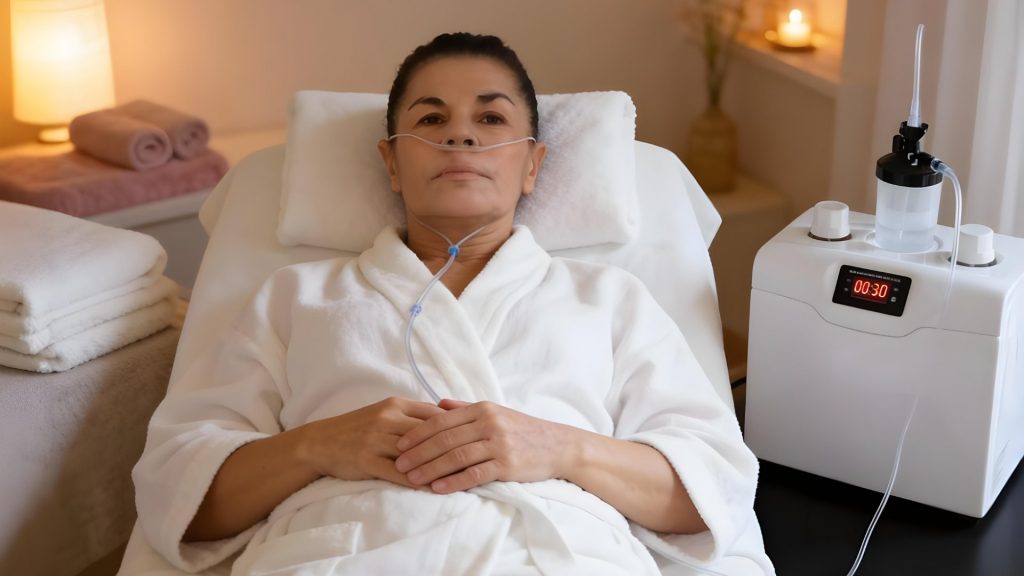
Technical features significantly influence price. Systems with higher hydrogen purity, greater flow rates, longer continuous run times, and advanced safety mechanisms cost more to manufacture and maintain. Certifications, such as medical-grade components or international safety standards, further increase equipment costs.
Operational expenses also factor into pricing. Clinics must account for regular maintenance, replacement membranes or filters, distilled water usage, electricity, staff supervision, and physical space. These ongoing costs help explain why session prices are comparable to other specialized wellness services.
At-Home Devices vs Clinic Sessions
At-home hydrogen inhalation devices are available across a broad price spectrum, from a few hundred dollars for basic portable units to several thousand dollars for higher-end machines designed for daily use. The primary advantage of home devices is cost efficiency over time. For individuals who plan to use H₂ therapy frequently, the cost per session decreases significantly once the initial purchase is amortized.
Clinic sessions, by contrast, require no upfront investment and provide access to professional oversight and higher-capacity equipment. However, the per-session cost remains higher in the long term. Choosing between home use and clinic sessions often depends on usage frequency, budget, and comfort with operating personal equipment. For those new to hydrogen inhalation or seeking higher concentrations and medical-grade equipment, clinic sessions provide more reliable delivery and professional oversight.
How to Evaluate Value Beyond the Price Tag
Evaluating value requires looking beyond the advertised price. Consumers should inquire about purity levels, flow rates, and device specifications, as these factors directly impact the quality of the treatment delivered during a session. Safety certifications, staff training, and clear protocols are also important indicators of quality.
Equally important is aligning cost with personal goals. Someone seeking occasional relaxation may find single sessions sufficient, while individuals using H₂ therapy as part of a broader recovery or wellness routine may benefit more from packages or home devices. It is also important to maintain realistic expectations; H₂ inhalation is generally used as a complementary wellness practice, not a replacement for medical treatment.
Questions to Ask Before You Commit
Before purchasing hydrogen inhalation sessions or equipment, it is important to ask detailed questions that help you understand both the cost and the potential benefits. Clinic clients should inquire about the specific device being used, purity and flow rate, and whether sessions are designed to support commonly cited benefits such as oxidative stress reduction, recovery support, or overall wellness. Asking about package discounts, trial sessions, and how often sessions are recommended can also help determine whether the therapy aligns with your goals.
For home buyers, considerations extend beyond price. Warranty length, availability of replacement parts, service support, and safety certifications all influence long-term usability and reliability. Clarifying how the device is intended to support regular use, maintenance requirements, and its expected lifespan can help prevent unexpected expenses and ensure the investment aligns with the intended wellness benefits.
Final Thoughts from Quantum Wellness
Hydrogen inhalation therapy pricing reflects a combination of session duration, package options, and the quality of the equipment used, which is why costs often align with other premium wellness services. Evaluating these factors helps clarify not only the price but also the overall value of the therapy in relation to frequency of use, setting, and individual wellness goals.
At Quantum Wellness Center, hydrogen inhalation therapy is offered as part of thoughtfully designed wellness programs that prioritize safety, comfort, and consistency. By pairing certified systems with professional oversight in a calm, supportive environment, clients can make informed decisions about whether this therapy fits their long-term wellness approach while focusing on restoring balance, energy, and overall well-being.

