Red light therapy (RLT), also known as photobiomodulation (PBM) or low-level light therapy, uses specific red and near-infrared wavelengths to stimulate cellular repair and reduce inflammation, gaining popularity for pain relief and skin health. Heart patients often wonder if this non-invasive treatment is safe amid concerns about cardiovascular stability.
This article examines RLT mechanisms, benefits, risks, and precautions for individuals with heart conditions to provide clear guidance.
What Is Red Light Therapy?
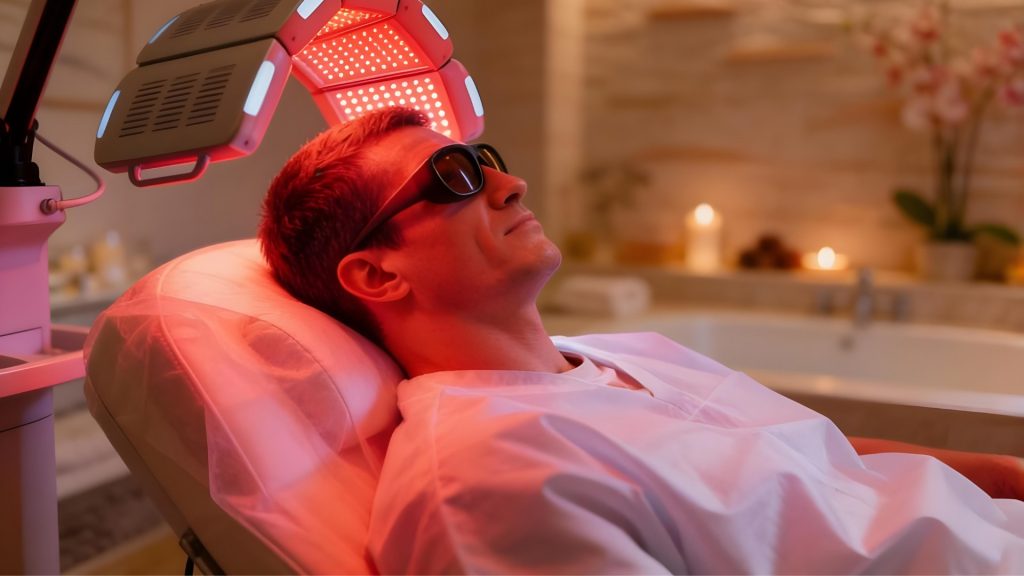
Red light therapy involves exposure to low-level wavelengths between 600 and 1000 nm that penetrate the skin to reach mitochondria, boosting ATP production and cellular energy without generating heat. Devices range from handheld units and LED panels to full-body beds, with sessions typically lasting 10-20 minutes, 3-5 times weekly at intensities of 20-100 mW/cm². This photobiomodulation process enhances tissue repair, reduces oxidative stress, and modulates inflammation through cytochrome c oxidase activation.
At Quantum Wellness Center, our Red Light Therapy sessions in Sarasota, FL, use red and near-infrared light to stimulate cellular repair at the mitochondrial level, promoting enhanced blood flow, immune support, pain reduction, and skin rejuvenation without discomfort or downtime.
FDA-cleared for pain management and tissue healing, this non-invasive treatment supports overall wellness, including for heart patients seeking gentle recovery options under physician guidance. Clients experience soothing warmth in a controlled environment, with personalized plans led by Dr. Darlene A. Lobel.
Cardiac Conditions and Therapy Considerations
Common cardiac conditions, such as heart failure, where the organ’s pumping efficiency is reduced, arrhythmias involving irregular heartbeats, hypertension with persistently elevated blood pressure, post-stent recovery following angioplasty, and coronary artery disease with narrowed arteries, all warrant specific evaluations before initiating red light therapy (RLT).
Patients with implanted devices like pacemakers or defibrillators face minimal risk from RLT’s non-electromagnetic profile, unlike certain electromagnetic therapies, though device manufacturers recommend confirming compatibility. RLT’s non-thermal operation avoids vasodilation spikes or heat stress that could strain the cardiovascular system, distinguishing it from saunas or infrared alternatives.
The proximity of the light source to the chest area influences systemic absorption, with full-body exposure distributing effects evenly compared to localized handheld use. This benefits overall circulation without overloading the heart.
Session duration and frequency should account for exercise tolerance, as even mild therapies might coincide with fatigue in advanced cardiac failure. Comorbidities prevalent in cardiac patients, including diabetes affecting wound healing or obesity altering light penetration, may enhance RLT responsiveness or require dosage adjustments to optimize outcomes while minimizing any theoretical overload on oxygen-dependent cardiac tissues.
Potential Benefits for Patients
Red light therapy provides notable anti-inflammatory effects by downregulating pro-inflammatory cytokines like TNF-alpha and IL-6, which contribute to atherosclerosis progression in coronary artery disease, potentially stabilizing plaques and reducing cardiovascular event risks. It stimulates nitric oxide release from endothelial cells, enhancing vasodilation, improving microcirculation, and alleviating hypertension-related vascular strain without the blood pressure fluctuations seen in some medications.
For post-surgical recovery after bypass surgery or angioplasty, RLT accelerates wound healing at incision sites by boosting fibroblast activity and collagen synthesis, lowering infection rates, and promoting faster mobility.
Patients with angina or peripheral artery disease experience pain relief through reduced nerve sensitization and improved tissue oxygenation, enhancing exercise tolerance and daily function.
Preliminary evidence suggests RLT may support mitochondrial function in cardiac cells, aiding energy production in heart failure scenarios where cellular fatigue is common. These benefits position RLT as a promising adjunctive therapy, improving overall quality of life when integrated thoughtfully into cardiac care plans.
Safety Evidence, Risks, and Guidelines for Safe Use
Preliminary studies, primarily animal models and small human trials, indicate RLT is safe in cardiovascular contexts, showing no arrhythmias, blood pressure fluctuations, or pacemaker interference.
Risks remain low, including temporary eye strain without protection, mild erythema, or photosensitivity with certain drugs like tetracycline. No major adverse cardiac events appear to be linked to RLT, though long-term data in patients are limited, emphasizing cautious adoption.
Patients should always talk to their cardiologist first before trying red light therapy to go over their health history, medications, and device details. Begin with shorter, gentler sessions, around 10-15 minutes, focusing on arms, legs, or back while keeping an eye on your heart rate and blood pressure. Skip shining the light directly on your chest, especially right after getting a stent or surgery.
Watch out for no-go situations like active cancer, seizure disorders, or medicines that make your skin sensitive to light. You might need to wait 4-6 weeks to undergo RLT after heart procedures. Stick to FDA-cleared or certified devices, and always have sessions with a trained professional to stay safe and get the most benefit.
Final Thoughts from Quantum Wellness Center
Red light therapy appears generally safe for most heart patients, providing adjunctive benefits such as reduced inflammation and improved circulation without notable cardiac risks. While evidence supports its promise, personalized cardiologist approval remains essential. Cardiac patients interested in RLT should prioritize professional assessment to ensure it is integrated safely into their wellness routine.
At Quantum Wellness Center, our red light therapy sessions in Sarasota, FL., are part of a broader ecosystem of advanced, non-invasive modalities we use to help people reconnect, recharge, and restore balance in mind, body, and spirit.
With a focus on personalized, science-backed care, our team helps clients integrate red light therapy into a holistic plan that aligns with their existing cardiac treatment and health goals.

