
Red light therapy (RLT) is widely used across wellness settings for recovery, skin health, pain relief, and cellular energy. As availability expands across clinics and at-home options, an important question arises: Is more exposure always better?
This article explains how red light therapy affects the body, what appropriate use looks like, when excessive exposure becomes counterproductive, and why professional oversight is important.
How Red Light Therapy Works at a Cellular Level
RLT, also called photobiomodulation, uses specific red and near-infrared wavelengths to interact with cells. These wavelengths reach mitochondria, where they influence energy production. When light is delivered at appropriate intensity and duration, cells tend to produce more adenosine triphosphate, improve circulation signals, and regulate inflammatory responses.
This process depends on dosage. Cells respond best within a defined range of exposure. When that range is exceeded, the biological response may plateau or reverse. This concept explains why more sessions or longer exposure do not always lead to better results.
The Dose Response Principle and Why More Is Not Better
Red light therapy follows a biphasic dose-response, meaning the body reacts differently depending on the amount of light it receives. At lower to moderate doses, cells respond positively and function more efficiently. Once exposure becomes excessive, the response weakens, and overstimulation can limit benefits rather than improve them.
This does not mean RLT is dangerous, as it only means there is an optimal window for effectiveness. Repeated long sessions, frequent daily use, or high-powered devices used without guidance may reduce benefits and create unwanted effects such as fatigue, skin irritation, or headaches. Understanding dosage involves session length, wavelength, intensity, distance from the device, and frequency. Ignoring one of these factors can shift therapy outside the effective range.
Signs You May Be Overdoing Red Light Therapy
The body usually signals when RLT use exceeds its processing capacity. Common indicators include:
- Increased soreness rather than relief
- Persistent fatigue after sessions
- Skin redness lasting longer than expected
- Disrupted sleep
- Reduced results despite increased use
These signs suggest cellular stress rather than cellular stimulation. The therapy works through gentle biological signaling. Pushing past recommended limits interferes with that balance. It is also important to note that sensitivity varies. Factors such as skin type, health status, metabolic function, and existing inflammation affect how the body responds to light exposure.
Safe Frequency and Session Length Guidelines
Most clinical red light therapy protocols fall within specific parameters. Sessions often range from 10 to 20 minutes per treatment area, several times per week. Full-body systems may follow different timing schedules based on output strength and coverage.
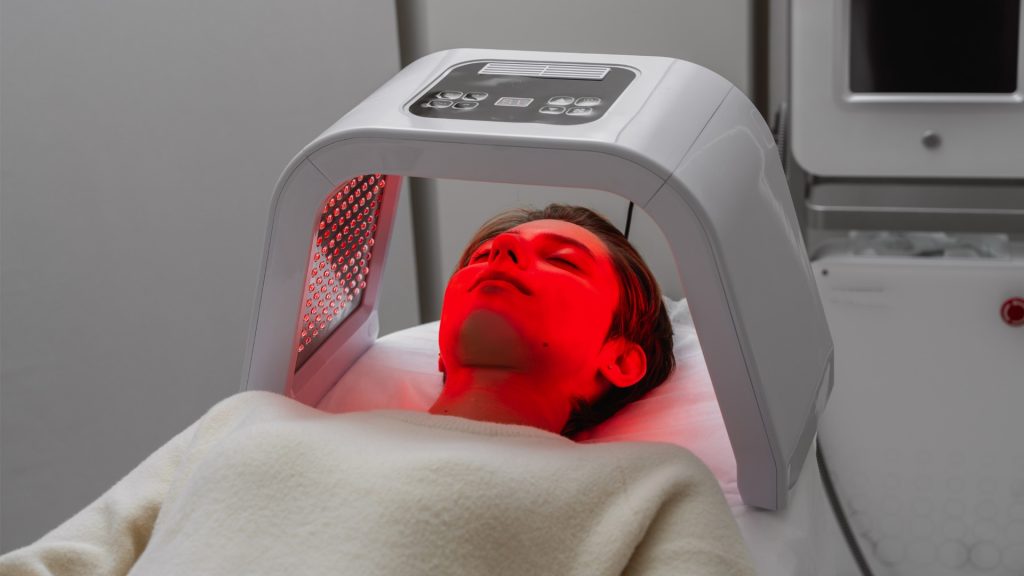
Daily use may suit certain goals under professional supervision, while others respond better to spacing sessions apart. Rest days allow cells to adapt and respond fully to the stimulus. Problems arise when users assume that daily long sessions accelerate progress. Cellular systems require recovery phases, just as muscles do after physical training. Skipping that recovery reduces effectiveness.
Home Devices Versus Clinical Red Light Therapy
Home red light therapy devices vary widely in quality, wavelength accuracy, and output power compared to professional-grade systems used in wellness centers. Many at-home devices lack precise dosing controls. This creates a higher risk of ineffective use or excessive exposure without noticeable warning signs.
Clinical systems offer calibrated wavelengths, controlled intensity, and full-body coverage, designed around established protocols. Trained staff guide session length and frequency based on goals and response.
At Quantum Wellness Center, our red light therapy services in Orem, UT, are delivered on professional-grade beds designed to provide balanced exposure across the body. Sessions follow established ranges that prioritize effectiveness while reducing the risk of overstimulation.
Who Should Be Extra Cautious With Red Light Therapy
Certain individuals benefit from professional guidance from the start. This includes people with:
- autoimmune conditions such as lupus or rheumatoid arthritis
- chronic inflammatory disorders like Crohn’s disease or psoriasis
- light sensitivity conditions, including photosensitivity or certain genetic disorders
- neurological conditions such as multiple sclerosis or epilepsy
People using medications that affect the skin or nervous system response, including photosensitizing drugs, immunosuppressants, or certain antibiotics and antidepressants, should also be more careful, as they face an increased risk of burns.
For all these groups, the threshold for “too much” red light therapy is often lower and more variable than for the general population, making conservative exposure and professional monitoring essential to avoid turning a potentially beneficial treatment into a harmful one.
Final Thoughts from Quantum Wellness Center
Red light therapy delivers measurable benefits when used within an effective exposure range. More sessions or longer treatments do not necessarily lead to better outcomes. Respecting dosage, recovery time, and individual response protects results and reduces unwanted effects.
At Quantum Wellness Center, our red light therapy sessions are delivered within a clinically informed environment designed for safety and effectiveness. Professional oversight ensures sessions align with how the body actually responds to light-based therapy, allowing clients to experience results without crossing into counterproductive use.

