
Theta waves are commonly linked with deep relaxation, meditative focus, and subconscious processing. People often turn to theta audio when seeking mental calm or improved emotional regulation. One of the most common questions is simple but important: how long should someone listen to them for meaningful effects without mental fatigue appearing?
This article explains typical listening ranges, factors that affect session length, safety considerations, and how supervised environments influence results.
What Theta Waves Are and Why Listening Time Matters
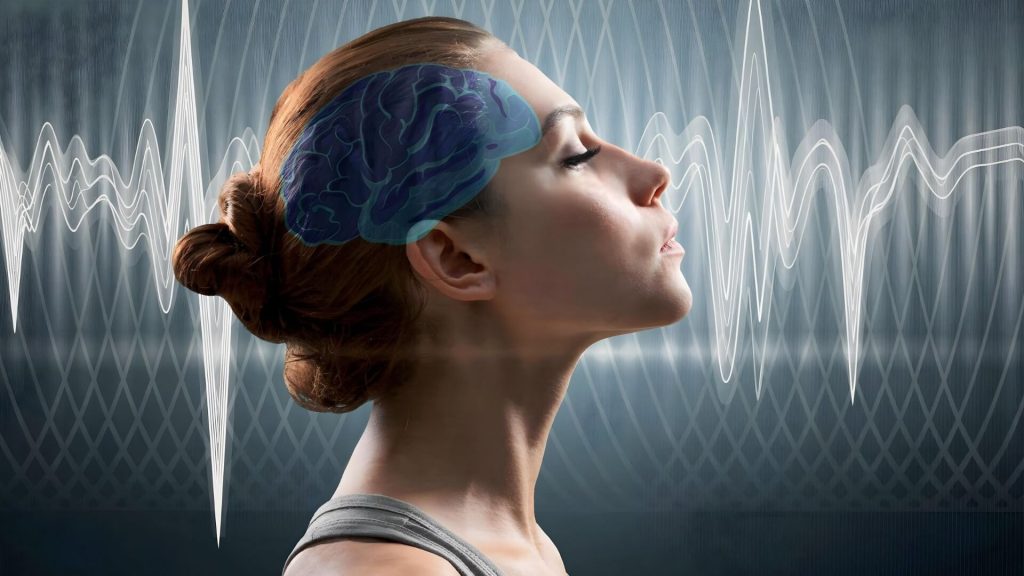
Theta waves are a type of brain activity linked with deep relaxation and inward focus, typically measured between 4 and 8 hertz. Brainwaves are natural electrical signals in the brain, and each range relates to how alert or calm the mind feels. This activity usually appears during light sleep, meditation, or very relaxed states, when awareness remains present. People often listen to theta audio through headphones or in guided sessions, which use rhythmic sound patterns to encourage the mind to calm down. As this happens, mental noise quiets, the nervous system slows, and reflective thinking becomes easier.
Listening time matters because the nervous system needs enough exposure to settle into this slower rhythm without becoming overstimulated. Very short periods may end before the mind fully transitions. Extended exposure may leave some people feeling groggy or mentally disconnected. Effective use depends on balancing depth with duration rather than pushing for longer exposure.
Typical Theta Wave Listening Ranges
Most people benefit from listening periods that last between 15 and 60 minutes. This window allows the brain to move from alert states into slower rhythms without unnecessary strain.
Short sessions around 15 to 20 minutes often work well for meditation, emotional regulation, or creative reflection. Longer timeframes, closer to 30 or 45 minutes, suit relaxation practices or pre-sleep routines. These ranges allow deeper nervous system downshifting while maintaining safety and comfort.
Reaching 60 minutes is best reserved for a supervised wellness center setting, where session length and sensory input are intentionally managed. Extended exposure may deepen introspective processing, though it may also increase drowsiness for some listeners.
Factors That Influence Ideal Listening Time
Listening time varies from person to person. Several factors influence how long a theta session feels effective. Experience level plays a major role, as new listeners usually benefit from shorter exposure while their brains adapt to slower rhythms. Those familiar with meditation often tolerate longer exposure without discomfort.
One’s mental state before each session also matters. High stress or cognitive overload may require a shorter time at first. Calmer baseline states often allow smoother entry into theta rhythms. Delivery method influences duration as well.
Simple audio tracks used in quiet spaces may take longer to reach depth. Multi-sensory environments designed to guide brainwave shifts often shorten the time needed to enter theta states. Purpose also shapes the overall duration. Relaxation differs from listening for introspective processing or creative focus. Clear intention helps determine appropriate timing.
Signs You Are Listening Too Long or Not Long Enough
The body and mind provide feedback during theta exposure. Listening periods that feel too short often end with restlessness or incomplete mental settling. Calmness may fade quickly after the session ends.
Mental fog, headache, irritability, or difficulty focusing afterward suggest the exposure lasted too long. Feeling detached, spaced out, or emotionally flat may also signal overstimulation. Sleep disruption can occur when long sessions happen late at night without proper grounding afterward. Some listeners may experience vivid dreams or restless sleep following extended exposure. Effective duration usually ends with mental softness, physical relaxation, and stable alertness. Awareness remains intact rather than dulled, and returning to daily tasks feels smooth.
Safe Listening Practices and Frequency
Theta-wave listening remains low-risk when used responsibly. Moderation and awareness help protect mental balance. One session per day suits most people. Multiple sessions within a short period may increase fatigue rather than benefit. Listening at times that allow rest afterward often improves results.
Comfortable posture, hydration, and minimal distractions help maintain nervous system stability. Driving, operating machinery, or multitasking during sessions is not recommended due to reduced alertness. People with seizure disorders or sensitivity to rhythmic light or sound should consult a licensed medical professional before using brainwave audio tools.
How Guided Theta Environments Shape Session Length
Audio tracks offer one method of engaging slower brainwave frequencies, while multi-sensory environments create a different effect. Some supervised wellness center environments combine sound, motion, light, and gentle electrical stimulation to encourage entry into slower brainwave states more efficiently.
At Quantum Wellness Center, our theta-based therapy sessions in Orem, UT, are delivered through a professional-grade Theta Chamber, a specialized space designed to guide the brain into theta states in a controlled way. The chamber uses coordinated sensory elements such as sound, gentle motion, and visual cues to help the nervous system relax while staying oriented and stable.
This guided approach often allows clients to reach depth in less time compared to independent audio listening. Sessions often last between 20 and 40 minutes, which allows adjustments based on physical and cognitive feedback.
Final Thoughts from Quantum Wellness Center
Theta waves listening works best within a balanced time window. Most people benefit from a period lasting between 15 and 60 minutes, adjusted for experience, mental state, and purpose. Longer exposure does not always produce stronger results. Awareness, comfort, and mental stability signal effective timing.
At Quantum Wellness Center, we apply this understanding through guided theta-based experiences designed to support nervous system safety and measurable responses. Our Theta Chamber therapy services in Orem, Utah, provide a controlled setting where session length aligns with brain physiology rather than guesswork, reflecting a focus on precision and informed wellness practices.

