Chronic wounds plague over 6 million Americans each year, from diabetic ulcers to surgical incisions that refuse to heal. Red light therapy (RLT), a non-invasive treatment using low-level red and near-infrared light, is gaining traction as a powerful solution. This photobiomodulation approach stimulates deep cellular repair without heat or UV damage.
In this article, we’ll break down how RLT works, review the clinical evidence, and share practical tips for using it effectively.
What Is Red Light Therapy?
Red light therapy involves exposing skin and tissues to specific wavelengths of light, typically between 600 and 1000 nm, delivered via LEDs or lasers at low power levels. Unlike UV light that burns or heats tissue, RLT triggers photobiomodulation, a process where photons interact with cells to enhance natural healing without causing harm. Red wavelengths around 630-660 nm target surface-level wounds, while near-infrared (810-850 nm) penetrates deeper, up to 5 cm, to reach muscles and bones.
Devices measure dosage in joules per square centimeter (J/cm²) to ensure therapeutic effects. This therapy traces back to NASA’s 1990s experiments growing plants in space, which accidentally discovered its healing potential for astronauts’ wounds.
Today, FDA-cleared panels make it widely available, distinct from blue light therapies focused on acne or UV treatments that risk damage.
At Quantum Wellness Center, we provide red light therapy sessions in Orem, UT, which help restore your physical and mental well-being through soothing, clinically proven photobiomodulation therapy.
The Science of Wound Healing
Wound healing unfolds in four overlapping stages: hemostasis, in which blood clots to stop bleeding; inflammation, which clears debris but can stall in chronic cases; proliferation, involving new tissue growth such as granulation tissue and blood vessel formation (angiogenesis); and remodeling, in which scar tissue strengthens over months.
Chronic wounds, such as diabetic foot ulcers or pressure sores affecting the elderly, often get stuck in prolonged inflammation due to poor circulation, bacterial biofilms, or excess oxidative stress from reactive oxygen species (ROS).
At the cellular level, damaged mitochondria, the cell’s powerhouses, struggle to produce adenosine triphosphate (ATP), the energy currency needed for repair. This energy deficit slows fibroblast activity for collagen production and delays epithelial cells from closing the wound, creating a vicious cycle that RLT directly addresses.
How Red Light Therapy Works for Wound Healing
RLT photons are absorbed by cytochrome c oxidase, a key enzyme in the mitochondria, dissociating inhibitory nitric oxide and ramping up ATP production by up to 150%.
This energy surge reduces harmful ROS while boosting beneficial ones that signal repair pathways, slashing oxidative stress that plagues chronic wounds. Cells respond by ramping up production of growth factors like vascular endothelial growth factor (VEGF) for new blood vessels and transforming growth factor-beta (TGF-β) for collagen synthesis, accelerating fibroblast proliferation and epithelialization.
At the tissue level, RLT boosts microcirculation, drawing oxygen and nutrients to the site while modulating inflammation to prevent excess swelling. Penetration depth varies (red light excels superficially, NIR dives deeper), making it versatile for burns, incisions, or ulcers, with effects compounding over sessions.
Clinical Evidence and Studies
Robust research supports RLT’s efficacy, including FDA-cleared devices like the Luminary system that cut diabetic foot ulcer closure times by 40-60% in clinical use. A 2021 meta-analysis by Zhang et al. in Lasers in Medical Science pooled over 20 randomized controlled trials (RCTs), finding statistically significant reductions in healing time (p<0.01) for both acute and chronic wounds compared to standard care.
While optimal dosing varies by wound type and device power, pitfalls like underpowered consumer gadgets underscore the need for quality equipment. Evidence positions RLT as a reliable adjunct therapy.
Benefits and Why It’s Effective
RLT slashes healing times by 25-50% over standard dressings alone, making it a standout for stubborn wounds. Its non-thermal nature ensures high safety, with side effects limited to rare, mild skin warmth, and it’s gentle enough for home use with proper FDA-cleared panels.
Diabetics with neuropathy-related ulcers, elderly patients with slow-healing sores, and athletes recovering from sports injuries benefit most, as RLT tackles root causes like poor ATP and circulation. Effectiveness stems from its targeted mitochondrial boost, which reignites stalled healing cascades where conventional methods fall short.
Practical Guide: Using RLT for Wound Healing
Select devices that combine 660 nm red and 850 nm NIR LEDs, with at least 100 mW/cm² irradiance, and protective goggles to shield the eyes. Start by gently cleaning the wound and surrounding skin with saline or mild soap, patting dry to avoid irritation.
Position the panel 6-12 inches from the site for 5-20 minutes per session, aiming for a total fluence of 20-60 J/cm². Many devices have timers for precision.
Treat 3-5 times weekly, tracking progress with photos, and always consult a doctor for open or infected wounds to integrate with medical care. Consistency yields the best results, often visible within 1-2 weeks.
Potential Risks, Side Effects, and Contraindications
Side effects are minimal, typically fleeting redness or warmth akin to a mild sunburn, resolving quickly without intervention.
Eye strain is avoidable with goggles, as direct staring risks discomfort. Contraindications include photosensitizing medications like certain antibiotics, pregnancy over the abdomen, epilepsy triggered by flashing lights, and direct use over tattoos, active skin cancers, or malignancies due to potential growth stimulation.
Regulatory bodies like the FDA approve specific devices for safety, so skip unverified DIY setups or low-quality imports to minimize risks. Professional guidance ensures safe application.
Final Thoughts from Quantum Wellness Center
Red light therapy accelerates wound healing by supercharging mitochondrial ATP, dialing down oxidative stress, and unleashing growth factors for angiogenesis and collagen production, all validated by clinical trials and meta-analyses. This makes it a safe, effective tool for both acute and chronic wounds. Consult your healthcare provider to incorporate evidence-based protocols and explore FDA-cleared options for home use.
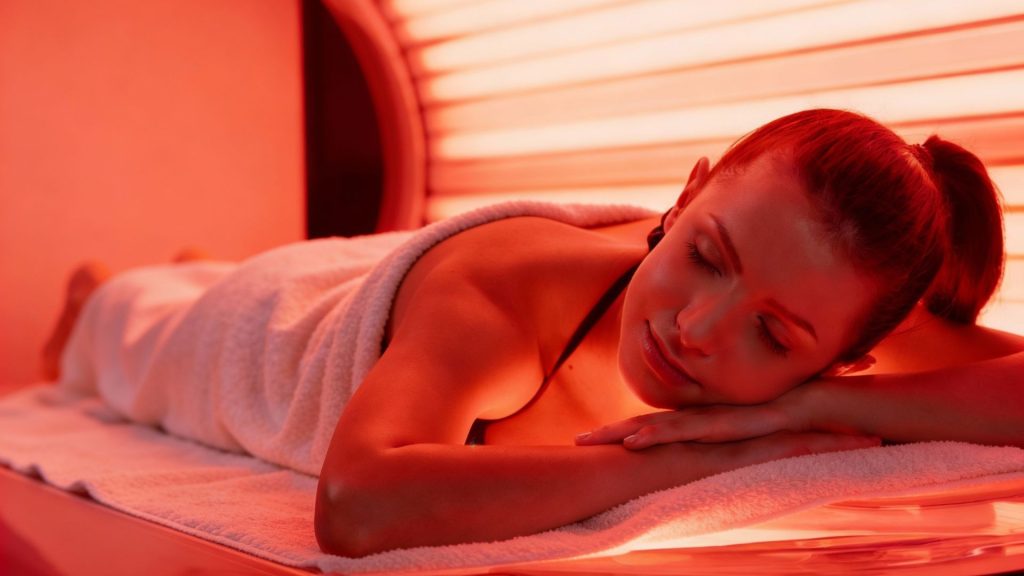
We at Quantum Wellness Center offer red light therapy in Orem, UT, as a cornerstone of modern wound care, harnessing its proven ability to boost ATP production, enhance circulation, and accelerate tissue repair through our state-of-the-art Infrared Therapy Bed featuring 14,400 red and near-infrared LEDs. With 20-40 minute sessions that promote collagen synthesis, reduce inflammation, and support full-body rejuvenation, clients experience faster recovery from injuries, surgeries, and chronic conditions in a relaxing, non-invasive environment.

